
Subfloor Water Extraction in Shelbyville, TN
Trusted by 190+ Homeowners
Water Damage in Shelbyville, TN: Protecting Your Home from Subfloor Water Extraction
Living in Shelbyville, TN, means you’re no stranger to hot summers and occasional heavy rainfall. In fact, our area receives an average of 4.5 inches of rain per month during the spring and summer months, which can lead to water seeping into your subfloor and causing damage if not addressed quickly. By ignoring the warning signs, you’re not only risking the integrity of your home but also exposing yourself to potential health hazards. Our team is dedicated to helping you prevent and mitigate subfloor water extraction issues, and we’re here to guide you through the process.
With over 165+ five-star reviews, homeowners in the area trust us to handle their subfloor water extraction needs with care and expertise. Our team of technicians has the training and experience to ensure that your property is restored to its original condition, saving you time, money, and stress in the long run.
- Prevent costly repairs by addressing water damage early on.
- Avoid health risks associated with mold and mildew growth.
- Extend the life of your floors by ensuring they remain dry and undamaged.
How Our Subfloor Water Extraction Service Works
When water seeps into your subfloor, it’s essential to take action quickly to prevent further damage. Our technicians will assess the situation, identify the source of the leak, and develop a customized plan to extract the water and dry out your subfloor. We use specialized equipment, such as industrial-grade pumps and heating units to ensure that the water is removed efficiently and effectively.
Step 1: Assessment and Planning
Our technicians will conduct a thorough inspection of your subfloor to identify the extent of the damage. We’ll assess the water level, find out the source of the leak, and develop a customized plan to extract the water and dry out your subfloor. This step is crucial in preventing further damage and ensuring that the restoration process is as efficient as possible.
Step 2: Water Extraction
Using industrial-grade pumps, our technicians will extract the water from your subfloor, removing as much water as possible to prevent further damage. This step is critical in preventing mold and mildew growth, which can lead to costly repairs and health hazards.
Step 3: Drying and Dehumidification
Once the water has been extracted, our technicians will use specialized equipment, such as heating units and dehumidifiers to dry out your subfloor. We’ll monitor the moisture levels to ensure that your subfloor is completely dry before proceeding with the next steps.
Step 4: Cleaning and Disinfecting
After the drying process is complete, our technicians will clean and disinfect your subfloor to prevent the growth of mold and mildew. We’ll use specialized cleaning solutions and equipment to ensure that your subfloor is thoroughly cleaned and disinfected.
Step 5: Restoration and Repairs
Finally, our technicians will assess any necessary repairs or restoration work to ensure that your subfloor is safe and functional. We’ll work with you to develop a customized plan that meets your specific needs and budget.
Don’t wait until it’s too late. Contact us today to schedule a free consultation and let us help you prevent and mitigate subfloor water extraction issues.
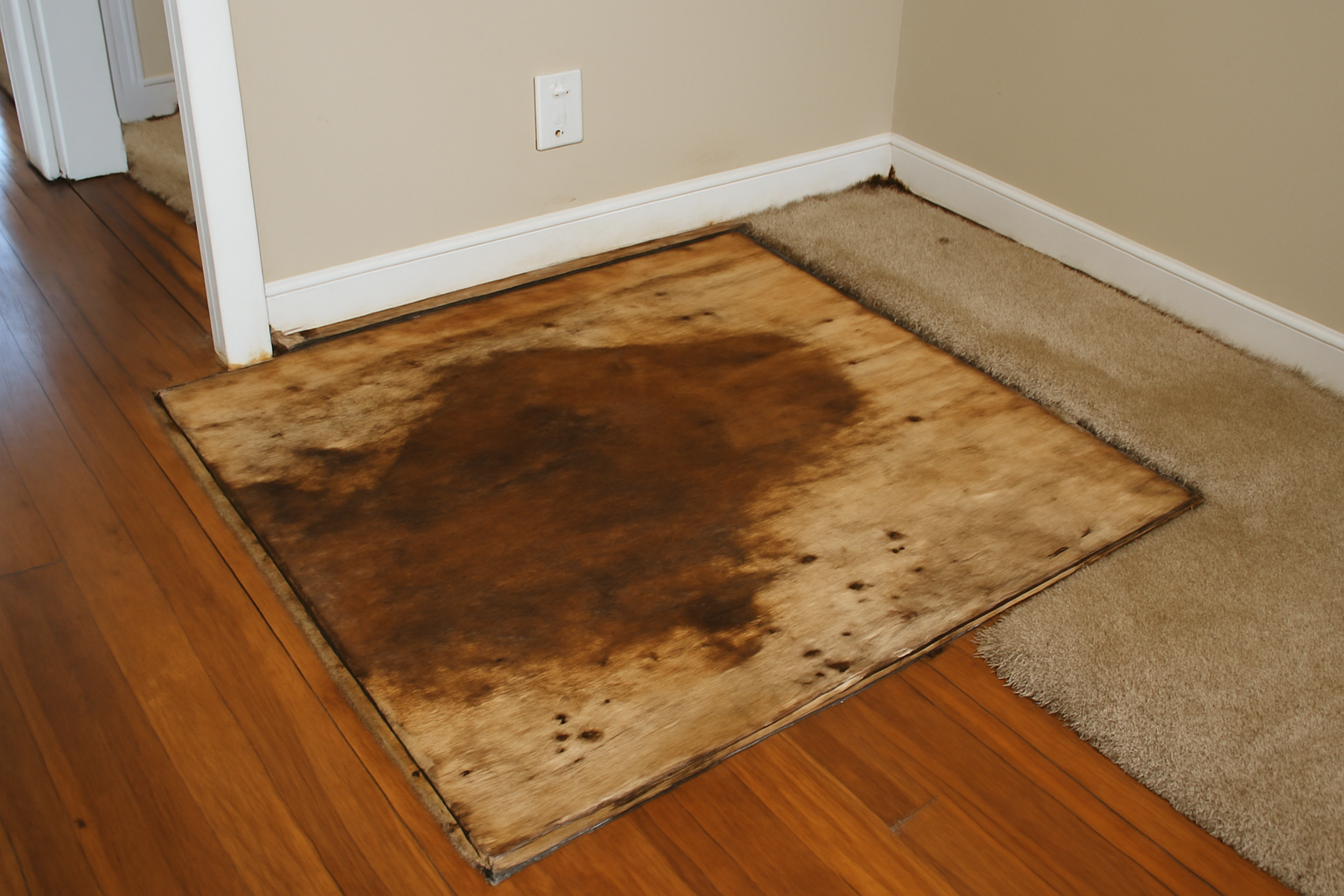
Warning Signs You Need Subfloor Water Extraction
Catching these warning signs early on can save you money and prevent bigger problems. Don’t ignore the following signs, as they can show a more severe issue.
Musty Odors That Won’t Go Away
Strong, unpleasant odors in your home, especially in areas with high humidity, can be a sign of mold or mildew growth. If you’ve tried to remove the odor with cleaning products, but it persists, it’s time to call a professional.
Warped or Buckled Floors
If you notice your floors are warped, buckled, or uneven, it may be a sign of water damage. Don’t delay, as this can lead to further damage and expensive repairs.
Visible Water Stains or Discoloration
Visible water stains or discoloration on your walls, ceilings, or floors can show water damage. Don’t ignore these signs, as they can lead to more severe issues, such as structural damage or mold growth.
Unusual Sounds or Squeaks
Unusual sounds or squeaks coming from your floors can be a sign of water damage or structural issues. Don’t delay, as this can lead to further damage and costly repairs.
Increased Humidity or Moisture
Increased humidity or moisture in your home, especially in areas with high humidity, can lead to mold and mildew growth. Don’t ignore these signs, as they can cause health hazards and damage your property.
Cracks in Walls or Floors
Cracks in walls or floors can show structural issues or water damage. Don’t delay, as this can lead to further damage and costly repairs.
Subfloor Water Extraction vs. DIY: When To Call a Professional
| Situation | DIY? | Call a Pro? | Why |
|---|---|---|---|
| Small water stain on a single floor plank | Yes | No | DIY |
| Large water damage on multiple floors | No | Yes | Complexity |
| Visible mold or mildew growth | No | Yes | Health risks |
| Warped or buckled floors | No | Yes | Structural issues |
| Unusual sounds or squeaks | No | Yes | Structural issues |
| Increased humidity or moisture | No | Yes | Mold and mildew growth |
While DIY may be suitable for small water stains, it’s essential to call a professional for more complex or severe issues. Our team has the training, equipment, and experience to handle even the most challenging subfloor water extraction jobs.
Subfloor Water Extraction Cost In Shelbyville, TN
The cost of subfloor water extraction in Shelbyville, TN, can vary based on the severity of the damage, the size of the affected area, and local conditions. Our prices range from $500 to $2,500, depending on the specific needs of your project. We’ll provide a free on-site assessment to find out the exact cost of the services you need.
| Service | Typical Price Range | What Affects Cost |
|---|---|---|
| Water extraction and drying | $500 – $2,000 | Size of affected area, severity of damage |
| Cleaning and disinfecting | $200 – $1,000 | Size of affected area, type of cleaning solution used |
| Restoration and repairs | $1,000 – $5,000 | Complexity of repairs, materials required |
| Monitoring and equipment usage | $100 – $500 | Duration of drying process, type of equipment used |
| Free on-site assessment and estimate | $0 – $200 | Location, size of affected area, complexity of damage |
Our prices are competitive, and we offer a free on-site assessment to find out the exact cost of the services you need. Contact us today to schedule an appointment and let us help you prevent and mitigate subfloor water extraction issues.
Service Areas Near Shelbyville, TN
We serve the following nearby communities: Eagleville, Tullahoma, Fayetteville, Lynchburg, Hillsboro, Bell Buckle, Estill Springs, Lynchburg, Petersburg, and more.
Common Questions About Subfloor Water Extraction
How long does the subfloor water extraction process take?
The duration of the subfloor water extraction process can vary depending on the severity of the damage, the size of the affected area, and the complexity of the job. But, our technicians will work diligently to complete the process as quickly as possible, usually within 3-5 days.
What causes subfloor water extraction issues?
Subfloor water extraction issues can be caused by a variety of factors, including heavy rainfall, leaky pipes, and poor ventilation. Ignoring the warning signs can lead to more severe issues, such as structural damage or mold and mildew growth.
Can I prevent subfloor water extraction issues?
Yes, you can prevent subfloor water extraction issues by taking proactive measures, such as inspecting your home regularly, fixing leaky pipes, and improving ventilation. Our team can help you develop a customized plan to prevent and mitigate subfloor water extraction issues.
What happens if I ignore the warning signs?
If you ignore the warning signs, you risk exacerbating the issue, leading to more severe damage, costly repairs, and potential health hazards. It’s essential to address the issue quickly to prevent further damage and ensure a safe and healthy environment for your family.
Check Our Other Relevant Services
Serving Shelbyville, TN And Nearby Areas


