Morrison, TN · Warren County
Rapid Structural Drying in Morrison, TNStructural Dehumidification & Subfloor Drying
Rapid Structural Drying in Morrison involves services like wall cavity drying, subfloor drying, and crawl space drying from restoration pros.
Answered 24/7
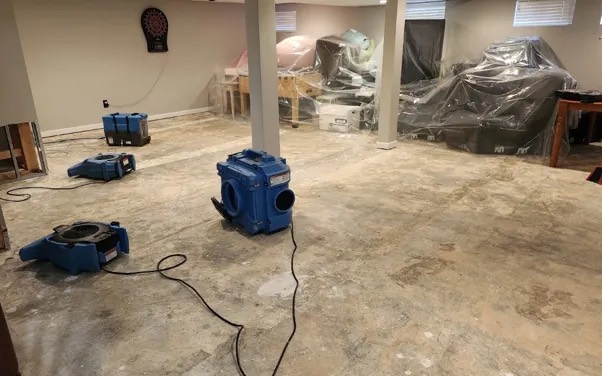
Expert Rapid Structural Drying for Morrison Properties
Concrete slabs, subfloors and wall studs all absorb moisture at different rates. Incomplete drying leaves residual dampness that weakens structures over time.
Properties in Morrison often require rapid structural drying after plumbing failures or weather-related water intrusion. Services extend to nearby places like Viola, McMinnville and Manchester for comprehensive coverage.
Rapid Structural Drying Methods and Techniques
Structural Dehumidification
In a water-damaged building, high humidity is the enemy. Structural dehumidification uses commercial-grade equipment to rapidly lower relative humidity.
Subfloor Drying
Wet subfloors can warp, swell, and compromise the floor system. Drying removes moisture from plywood or OSB, often requiring lifted flooring sections to allow direct airflow from above and below.
Wall Cavity Drying
Wall cavity drying uses specialized techniques, like injection systems or strategic venting, to circulate dry air into the hidden space.
Moisture Mapping Services
Effective drying starts with accurate assessment. Moisture mapping services use penetrating and non-penetrating moisture meters to create a detailed picture of affected areas.
Flood Drying Services
After a flood event, drying must be rapid and extensive. The approach is systematic, moving from room to room to stabilize the entire affected area.
When to Consider Rapid Structural Drying in Morrison
Water Pooling in Crawl Spaces
Standing water under your home puts floor framing at risk and needs pumping and drying.
Warped or Bubbling Floorboards
Hardwood floors that buckle or cup have taken on moisture from below, usually from a wet subfloor.
Recent Plumbing Leak or Flood
Any recent leak or flood can leave water inside walls and floors even after surfaces look dry.
Condensation Inside Window Frames
Excessive condensation can lead to wall cavity moisture and rot, a common issue addressed by the pros.
How Rapid Structural Drying Works in Morrison
Step 1: Emergency Assessment and Moisture Mapping
The pros first perform a detailed inspection using moisture meters and thermal imaging to create a precise moisture map of all affected structural areas.
Step 2: Strategic Flood Drying Setup
Based on the moisture map, air movers and dehumidifiers are placed where they dry the wet materials fastest.
Step 3: Targeted Cavity and Subfloor Drying
Hidden moisture in walls and subfloors is dried with injection systems or drying mats, without tearing out the finishes.
Step 4: Verification and Structural Dehumidification
Pros check moisture levels with meters and adjust equipment until all materials meet dry targets.
Common Causes of Water Damage Requiring Rapid Structural Drying in Morrison
Overflowing Sinks or Bathtubs
A bathroom overflow can send water under flooring and into wall cavities, where it stays hidden.
Roof Leaks From Storm Damage
Wind-driven rain or damaged shingles allow water to infiltrate attics and wall cavities, leading to widespread structural moisture.
Clogged Gutters and Downspouts
When gutters overflow, water pools against the foundation and can seep into crawl spaces, slabs and lower walls.
Severe Weather and Flooding
Heavy rainfall or localized flooding can overwhelm drainage, leading to water intrusion.
Rapid Structural Drying for Homes and Businesses
Residential Rapid Structural Drying
Homes have drywall and hardwood that can often be saved if dried quickly. Pros dry wall cavities in place to avoid tearing out finishes.
Commercial Rapid Structural Drying
In commercial settings, structural drying addresses complex building systems. The experts handle large open spaces, server rooms, and retail floors, using structural dehumidification to meet strict dryness standards for safety and reopening.
Rapid Structural Drying vs. DIY: When to Call Water Damage Pros
You can use a wet-dry vacuum to remove standing water from hard surface floors. Be sure to document the damage with photos for your insurance claim.
Pricing Considerations for Rapid Structural Drying in Morrison
For commercial drying in Morrison, cost depends on how long the business is interrupted and the size of the drying setup.
Project Duration
The total time needed for complete structural dehumidification and achieving dry standards affects the overall labor and equipment rental period.
Affected Structural Materials
Drying dense materials like concrete slabs or enclosed wall cavities demands specialized techniques and longer durations than drying open areas.
Water Contamination Category
Clean water from a broken pipe is simpler to address than contaminated flood water, which requires more extensive safety and drying protocols.
Does Insurance Cover Rapid Structural Drying?
For flood drying services, coverage often requires a separate flood insurance policy. You need to provide this report to your insurance company and follow their specific claims process for water damage.
Reasons to Trust Local Pros with Rapid Structural Drying
Advanced Moisture Detection
Tools like thermal imagers and moisture meters are used for accurate moisture mapping to find hidden water.
24/7 Emergency Response
Help is available day or night to begin the rapid structural drying process and limit further damage.
Detailed Documentation for Claims
Comprehensive logs of moisture readings and photos are taken to document the damage for insurance purposes.
Round-the-Clock Rapid Structural Drying Availability
Water in a business can close rooms or whole floors. Call (615) 436-5759 24/7 to start moisture mapping and drying in Morrison.
Call Now (615) 436-5759Rapid Structural Drying in Morrison and Nearby Areas
The pros dry homes and businesses in Morrison after water damage, and also serve nearby locations including Viola, McMinnville and Manchester.
- Rapid Structural Drying in Viola
- Rapid Structural Drying in McMinnville
- Rapid Structural Drying in Manchester
- Rapid Structural Drying in Hillsboro
- Rapid Structural Drying in Altamont
- Rapid Structural Drying in Woodbury
- Rapid Structural Drying in Pelham
- Rapid Structural Drying in Coalmont
- Emergency Damage Restoration in 37357
- Storm Damage Restoration in 37357
- Water Damage Restoration in 37357
- Water Extraction Service in 37357
- Water Leak Detection in 37357
- Water Removal Service in 37357
Rapid Structural Drying FAQs
Why is quick action critical for structural drying?
Quick action limits the extent of water absorption into materials, reduces the drying time required, and helps minimize the potential for costly repairs related to structural decay or mold.
What happens if wall cavity drying is delayed?
Delayed wall cavity drying allows moisture to promote mold growth inside walls, degrade insulation, and potentially weaken drywall or wooden studs, leading to more extensive and invasive repairs.
What equipment is used for water mitigation drying?
Water mitigation drying utilizes industrial air movers for evaporation, high-capacity dehumidifiers to remove vapor, and moisture meters to monitor progress throughout the structural drying process.
Why document the process for insurance?
Detailed documentation of moisture readings, photos, and equipment used provides a clear record for your insurance claim, showing the necessity and scope of the rapid structural drying services performed.
What areas of a home need structural moisture removal?
Structural moisture removal often targets concealed areas like behind walls, under floors, within ceiling cavities, and in support beams where water can linger and cause hidden damage.