Nashville, TN · Davidson County
Clinic Damage Restoration in Nashville, TNClinic Fire Damage Cleanup & Clinic Mold Remediation
Clinic Damage Restoration in Nashville addresses clinic flooded room drying, clinic sewage backup cleanup, medical equipment sanitization, clinic mold remediation and clinic storm damage repair.
Answered 24/7
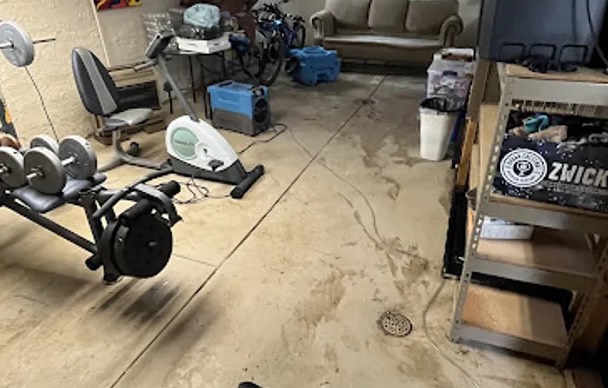
Clinic Damage Restoration Services in Nashville, TN
In Nashville, medical equipment must be sanitized after water or fire damage. Medical equipment sanitization and decontamination restores usability.
Clinic water extraction and medical facility smoke damage cleanup are common needs for clinics in Nashville. Throughout Nashville, along with Oak Hill, Forest Hills and Brentwood, reliable clinic storm damage repair and medical building mold removal are required.
Complete Clinic Damage Restoration Solutions in Nashville
Clinic Fire Damage Cleanup
Fire damage in a medical office requires careful soot removal from air ducts and sensitive devices. Local clinic restoration pros use dry-chem sponges and HEPA vacuuming to clean without spreading contaminants.
Clinic Mold Remediation
When mold is found behind clinic walls or under sinks, remediation involves removing affected materials safely. The source area is dried to prevent regrowth.
Clinic Storm Damage Repair
Storm damage in clinics often involves water in ceilings from compromised roofing. Repair services include temporary protection and coordination for permanent fixes to restore the facility's integrity.
Clinic Sewage Backup Cleanup
Sewage backups in clinic restrooms or labs pose serious health risks and require immediate containment. The experts follow strict protocols for extraction and disinfection to restore a sanitary space.
Clinic Odor Removal Services
For clinics in Nashville, odor removal addresses specific healthcare smells combined with disaster odors. Treatments are checked before the clinic reopens.
Signs a Clinic Needs Water Damage Restoration
Mold Growth on Clinic Walls
Visible mold patches on clinic drywall or behind cabinets are a health hazard. Clinic mold remediation prevents its spread in sensitive areas.
Medical Office Damp Carpeting
Persistently damp carpeting in hallways or offices can foster mold. Clinic flooded room drying targets moisture trapped in padding and subfloors.
Clinic Water Stains on Ceilings
Water stains spreading across clinic ceilings or walls indicate moisture intrusion. This requires medical building restoration pros for methodical assessment.
Clinic Humidity and Condensation
High indoor humidity and condensation on windows signal poor drying. Medical office drying services correct moisture levels to protect interior materials.
How Clinic Damage Restoration Works in Nashville
Step 1: Clinic Fire Damage Assessment
The pros evaluate soot penetration and structural impact. They determine the scope of cleaning and restoration needed for safety.
Step 2: Medical Facility Soot Removal
Specialized cleaning agents and techniques tackle medical facility smoke damage cleanup. This removes corrosive soot residues from surfaces and HVAC systems.
Step 3: Clinic Storm Damage Securing
For weather-related issues, clinic storm damage repair involves temporary roof tarping and window boarding. This prevents additional water intrusion during repairs.
Step 4: Clinic Decontamination and Rebuild
The process concludes with medical equipment sanitization and decontamination where needed. Final rebuilding restores the clinic to full, safe operation.
Frequent Causes of Water Damage in Medical Buildings
Water Heater and Sterilizer Line Leaks
Water heaters and the supply lines that feed sinks and sterilizing equipment can fail without warning and flood treatment rooms and hallways.
Clinic Fire Suppression System Activation
Sprinkler system discharge, while controlling fire, causes significant water damage. Clinic flooded room drying is needed for affected spaces.
Clinic Storm and Roof Damage
High winds or hail can breach a clinic's roof and windows. Clinic storm damage repair prevents water from entering vulnerable areas.
Medical Office Sewer Line Failure
A blocked or collapsed sewer line leads to hazardous backups. Clinic sewage backup cleanup addresses this contamination to restore safety.
Clinic Damage Restoration for Healthcare Facilities in Nashville
Clinic Damage Restoration for Homeowners
Residential water removal focuses on drying fast to prevent mold in homes. The same drying equipment used in clinics protects home structures and floors.
Clinic Damage Restoration for Owners and Facility Managers
Clinic fire damage cleanup involves specialized sanitization protocols for medical settings. The work often includes cleaning ventilation systems and deodorizing sensitive areas.
Clinic Damage Restoration Versus DIY Repair in Nashville
Following storm damage, you can place buckets under active leaks and cover broken windows. For roof assessments and water intrusion repairs, clinic storm damage repair by pros prevents future problems. Medical office drying services are crucial.
Clinic Damage Restoration Cost Factors in Nashville
The cost for clinic damage restoration in Nashville depends on the damage extent and affected areas. A minor clinic sewage backup cleanup differs from full medical building mold removal. Emergency clinic water extraction after a storm also influences the final price.
Content Cleaning Scope
The volume of contents to clean, from files to furniture, adds to the work.
Extent of Affected Area
The square footage of flooded rooms or spaces with fire or mold damage directly influences the equipment and labor hours needed.
Emergency Response Timing
An after-hours emergency call can change the initial response costs compared with a scheduled visit.
Does Insurance Cover Clinic Damage Restoration?
For clinic storm damage repair, check if your policy covers wind, hail or falling debris. The experts document all storm-related damage to support your insurance filing. Ultimately, your insurance carrier decides what is covered under the terms of your specific policy.
Why Nashville Clinics Trust Local Clinic Flood Cleanup Experts
Comprehensive Service Range
From clinic storm damage repair to medical equipment sanitization, a full scope addresses multiple damage types in one process.
Health and Safety Priority
The approach prioritizes creating a clean, dry space that meets the hygiene standards expected in a medical facility.
Medical-Grade Decontamination
Sanitizing and decontamination address biohazards and pathogens before patients and staff return.
24/7 Clinic Flood Cleanup in Nashville
For immediate clinic damage restoration in Nashville after a flood, fire, or sewage backup, call (615) 436-5759 for 24/7 help. Quick action can limit secondary damage like mold growth.
Call Now (615) 436-5759Clinic Damage Restoration Across Nashville and Neighboring Towns
For clinics in Nashville, the experts handle water, fire, and mold incidents. They perform clinic sewage backup cleanup and medical building mold removal.
Common Clinic Damage Restoration Questions Answered
What does medical facility water damage restoration include?
Medical facility water damage restoration covers water extraction, structural drying, sanitizing affected areas, moisture monitoring and cleaning of contents.
How long does clinic flooded room drying typically take?
Clinic flooded room drying duration depends on material saturation, but industrial dehumidifiers and air movers often run for several days to achieve dry standard readings in walls and floors.
What is the goal of medical office drying services?
The goal of medical office drying services is to reduce moisture levels in building materials to dry standard readings, preventing mold and allowing for safe repairs or reconstruction of the affected spaces.
How does clinic sewage backup cleanup differ from regular water removal?
Clinic sewage cleanup handles Category 3 contaminated water: it is removed quickly, affected surfaces are disinfected and porous materials that cannot be sanitized are discarded.
What is clinic storm damage repair for a medical building?
Clinic storm damage repair addresses exterior breaches from wind or rain, involving temporary tarping, water extraction from interior spaces, and drying before any permanent reconstruction can begin.